Heat Pump Water Heaters: Are They Worth It in Connecticut?

Looking into Heat Pump Water Heaters for your Stratford home? You're not alone. More Connecticut homeowners are asking whether these energy efficient water heaters make sense for our four-season climate. Below, we break down how they work, what to expect in Stratford, CT neighborhoods like Paradise Green, Lordship, and Oronoque, and when another water heater type might be the better fit. If you want a deeper dive into your options, the team at The Drain King installs and services heat pump water heaters across the area.
What Is a Heat Pump Water Heater and Why People Choose Them
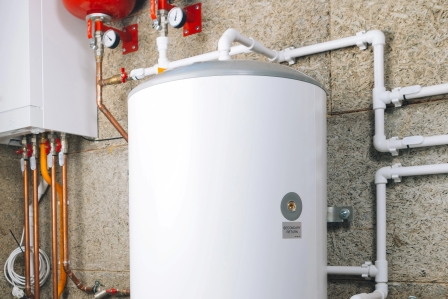
A heat pump water heater moves heat from the surrounding air into the tank instead of creating heat with electric elements or a burner. That simple shift cuts energy use compared to standard electric tanks. In summer, many Stratford basements feel cool and damp. A big bonus is that these units naturally dehumidify as they run, which can help reduce musty odors.
Modern hybrids still include backup electric elements for heavy use or very cold conditions. Most homeowners use “hybrid” or “efficiency” modes that balance comfort and savings.
How They Perform in Connecticut Winters
Winters along Long Island Sound can swing from mild to subfreezing. Performance depends on placement and settings. In an unheated garage during a cold snap, a unit may switch to backup heat more often and feel slower to recover. In a basement that stays in the 50s or low 60s, recovery is steadier and many families never notice a change.
Key tip: place the unit where it can pull enough room air and has space to exhaust cool, dry air. If your utility room is tight, your installer can discuss ducting options or suggest a different location.
Will a Heat Pump Water Heater Work in My Stratford Home?
Most single-family homes in Stratford, Trumbull, and Milford have a suitable spot, usually the basement. Homes with small utility closets or condos with limited mechanical space may be trickier. Older homes in Paradise Green with fieldstone basements can still work well if the unit has clear airflow.
- Good candidates: basements with 700+ cubic feet of air, moderate year‑round temperatures, and some clearance around the tank.
- Potential challenges: tiny mechanical closets, unconditioned garages, or heavy simultaneous hot water demand with frequent back‑to‑back showers.
Noise, Airflow, and Placement Considerations
Heat pump water heaters have a compressor and fan. They are typically quieter than a dishwasher, but you will hear them in adjacent rooms. Most Stratford homeowners tuck them away near the laundry or at the far end of a basement.
Plan for air movement: these units pull room air and exhaust cooler air. That can make a small room chilly. Your installer may recommend louvered doors, a grille, or short ducts to balance the space.
Energy Use and Why Bills Often Drop
Because the unit moves heat instead of making it, it uses less electricity than a standard electric tank. In summer, that cool, dry exhaust can also reduce how much a separate dehumidifier runs. Savings vary by family size, run time, water temperature, and where the heater sits. Every home is different, so it's smart to look at your own usage patterns and discuss expectations before installation.
Curious how traditional systems work and common terms you'll hear? Skim this quick primer from our blog on basic information about water heaters to get oriented before choosing.
Recovery Time and Hot Water “Feel”
Compared with a gas tank, hybrids can take longer to reheat after heavy use if you lock them in efficiency mode. That's the trade‑off for lower energy use. If you host guests or run back‑to‑back showers, your installer can show you how to switch modes temporarily. Families in Lordship who run laundry and showers together often choose a larger tank or a unit with a stronger heat pump for faster recovery.
Comparing Your Choices: Hybrid vs. Standard vs. Tankless
- Hybrid heat pump water heater: highest efficiency, some dehumidification, best in basements or larger utility rooms.
- Standard electric or gas tank: simple and familiar, faster recovery in cold spaces, but typically higher energy use.
- Tankless: endless hot water in the right setup, saves space, but needs proper gas or electrical capacity and can require upgrades in older homes.
Bottom line: pick the system that fits your space, fuel sources, and daily routine. That fit matters more than any single efficiency number.
Connecticut Climate Details That Matter
In Stratford and nearby shoreline towns, basements stay cooler and more humid in late spring through September. A hybrid unit acts like a built‑in dehumidifier during that stretch. In January and February, you may notice longer recovery or a slight chill near the unit if the room is small. Many homeowners in Oronoque and North End add a simple return grille so the room shares air with the rest of the basement.
Right-Sizing and Features to Ask About
Talk with your installer about tank size, first‑hour rating, and noise level. Ask how the unit behaves in efficiency versus hybrid modes and what recovery time to expect for your family's routine. If your basement is compact, ask about short duct kits or louvered doors for airflow.
If you plan to finish a basement in Paradise Green, consider noise and airflow early. A small layout tweak now can make day‑to‑day living more comfortable later.
Where Internal Links Help You Explore More
If you're comparing options across your home's systems, scan our main plumbing services page for related support beyond water heaters. When you're ready to see what a local install could look like, browse our dedicated page on heat pump water heaters for an overview and to get in touch with a pro.
Are Heat Pump Water Heaters Worth It in Connecticut?
For many Stratford households, yes. If you have a basement or utility room with enough air volume, and you want lower energy use without giving up comfort, a hybrid is a strong pick. You'll likely notice the dehumidification benefit in summer and steady hot water the rest of the year with the right size and settings.
They are not perfect for every home. If your only location is an unheated, tiny closet, or if you need rapid recovery at all times without using hybrid modes, a standard gas tank or a properly sized tankless might fit better.
What About Incentives and Rebates?
Programs change over time. In recent years, federal and utility incentives have helped offset upgrade costs for qualifying, energy efficient water heaters. Eligibility, amounts, and deadlines vary. The safest move is to confirm current details before you buy. A licensed plumber can share what local homeowners are using right now and which models qualify today.
How The Drain King Helps You Decide
Choosing a water heater should be simple and stress‑free. Our process looks at your space, family size, electrical or gas capacity, and the way you use hot water. Then we size and place the unit for comfort and efficiency. If a hybrid is not the best answer, we'll explain why and suggest alternatives.
Want background on traditional systems before we meet? Our blog guide to basic information about water heaters is a quick, helpful read. If you're comparing local options and want to start from square one, you can also explore our heat pump water heaters in Stratford, CT resource on the home page to see how they fit your home's layout and routine.
Real-World Scenarios From Stratford Homes
Paradise Green colonial with laundry nearby: a 50‑gallon hybrid in hybrid mode handles two morning showers, a dishwasher cycle, and evening laundry without complaint. The basement also feels drier in August.
Lordship cape with a tight utility closet: the family still went hybrid by adding short ducts to pull air from the adjacent room and discharge the cool exhaust elsewhere. Recovery feels normal, and noise is contained.
Oronoque ranch with frequent guests: they upsized the tank and use a higher‑performance mode when the in‑laws visit. Day to day, they switch back to a quiet efficiency mode.