Frozen Pipe Prevention for Connecticut Winters: A Room-by-Room Checklist

Remember: a Frozen Pipe is usually a warning sign that your home has a cold-air leak, missing insulation, or a heating issue in one area. The goal isn’t just to “thaw it out” once—it’s to prevent it from happening again.
Before the Freeze: Whole-Home Frozen Pipe Prevention Basics
Do these steps before temperatures drop below freezing:
- Locate your main water shutoff: Know where it is and make sure it turns freely. In a burst pipe situation, minutes matter.
- Check your thermostat plan: Keep your home at a consistent temperature day and night (even if you’re away).
- Seal drafts: Close gaps around windows, doors, sill plates, dryer vents, and pipe penetrations where cold air can enter.
- Insulate vulnerable pipes: Use pipe insulation on supply lines in basements, crawlspaces, garages, and exterior walls.
- Disconnect outdoor hoses: Shut off exterior hose bibs (if you have interior shutoffs) and drain the lines.
Kitchen Checklist: Sinks, Exterior Walls & Cabinet Plumbing
Kitchens are a common freeze zone in Stratford CT homes—especially when the sink is on an exterior wall.
- Open cabinet doors during extreme cold: This allows warm air to circulate around plumbing under the sink.
- Inspect the pipe area for drafts: If you feel cold air under the sink, seal gaps where pipes enter the wall.
- Let faucets drip (when needed): During severe cold, a slow drip can help keep water moving and reduce freezing risk.
- Know the warning signs: Reduced water flow, sputtering faucets, or no water from the cold line can indicate a frozen section.
If your kitchen sink drains slowly after the weather warms up, buildup may be part of the issue too. The Drain King can help with drain cleaning if clogs are contributing to backups.
Bathroom Checklist: Toilets, Vanities & Tub/Shower Lines
Bathroom plumbing can freeze when it runs through exterior walls, unheated spaces, or behind poorly insulated areas.
- Keep bathroom doors open (as needed): Especially for bathrooms on exterior corners of the house.
- Run warm water briefly on very cold nights: Even short use can help keep lines from getting too cold.
- Check vanity plumbing: If the sink is on an exterior wall, open the vanity cabinet during extreme cold.
- Watch for toilet refill issues: If the toilet tank refills slowly or not at all, the supply line could be freezing.
Laundry Room Checklist: Washing Machine Hoses & Utility Sinks
Washing machine supply lines and utility sinks are often in colder areas of the home.
- Inspect hose condition: Replace worn hoses before winter and consider braided stainless supply lines.
- Keep the area heated: Don’t let a laundry room drop below safe temps during cold snaps.
- Check for drafts behind the washer: Seal air leaks where plumbing enters walls or floors.
Basement & Crawlspace Checklist: Exposed Lines, Rim Joists & Draft Points
Basements and crawlspaces are high-risk locations for a Frozen Pipe because they often have exposed plumbing and colder ambient temperatures.
- Insulate exposed pipes: Focus on lines near foundation walls, windows, and vents.
- Seal rim joist gaps: Cold air leaks around the rim joist can chill pipe runs fast.
- Keep vents and openings protected: Ensure crawlspace doors are tight and openings aren’t letting in freezing air.
- Consider heat tape (professionally installed): In some situations, heat cable/tape can help protect vulnerable sections.
Garage & Exterior Checklist: Hose Bibs, Shutoffs & Unheated Plumbing
If you have plumbing in the garage or near exterior doors, it’s especially vulnerable during Connecticut winter weather.
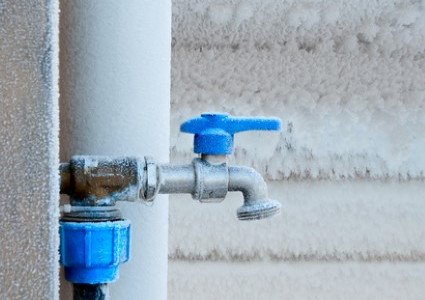
- Disconnect hoses and drain bibs: A hose left attached can trap water and cause freezing inside the faucet and line.
- Use insulated faucet covers: A simple cover can reduce exposure to wind and freezing air.
- Keep the garage warmer during cold snaps: Even a small temperature increase can help protect pipes.
What To Do If You Suspect a Frozen Pipe
If you think you have a Frozen Pipe, act quickly to reduce the chance of a burst:
- Turn on the affected faucet: If any water is moving, it can help relieve pressure.
- Check nearby areas for leaks: A frozen section can crack and leak as it thaws.
- Gently warm the area: Use safe heat methods like a space heater (supervised), warm air from a hair dryer, or increased room heat. Avoid open flames.
- Shut off the main water if needed: If a pipe bursts or you see active leaking, shut off the main water supply immediately.
If you can’t locate the frozen section, water flow is completely stopped, or you’re seeing signs of a leak, it’s time to call a professional.